Maximize CreativityBX/D doesn’t replace your creative team. It removes every obstacle standing in the way of their time, creativity, and imagination.



BX/D is a creativity and idea accelerator for CDs, Art Directors, Creative Strategists, Brand Teams, and Rendering Artists.
Our technology gives creatives the world-class insights, visualization tools, and faster concept development capacity to move at the speed of their best thinking, not the speed of the rushed process surrounding them.
Weeks become hours. Ideas are pressure-tested sooner. Concepts have more time to be developed. Pitches go out the door faster. Projects are informed by real strategic intelligence. And the whole team can breathe a little easier.

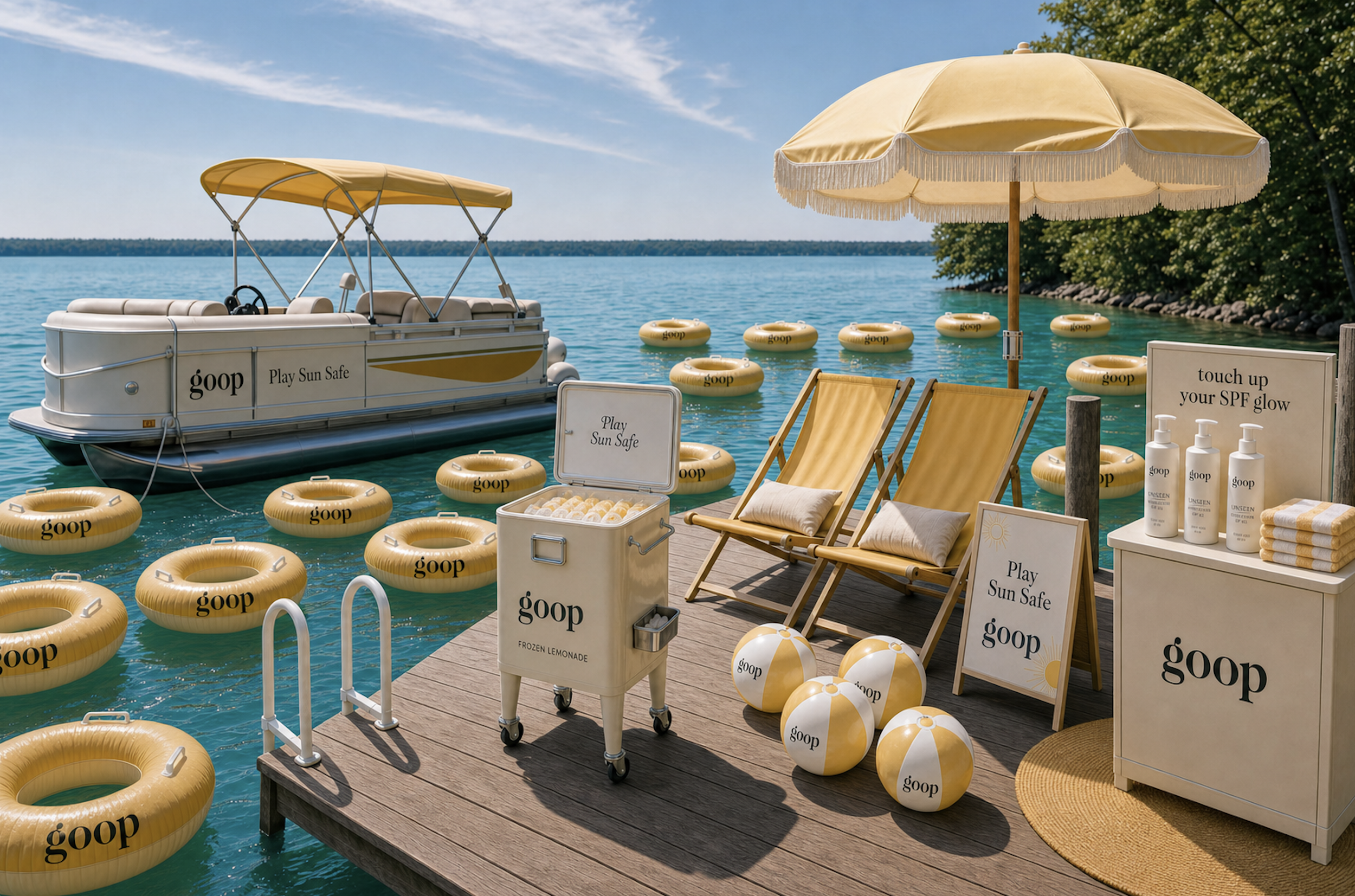
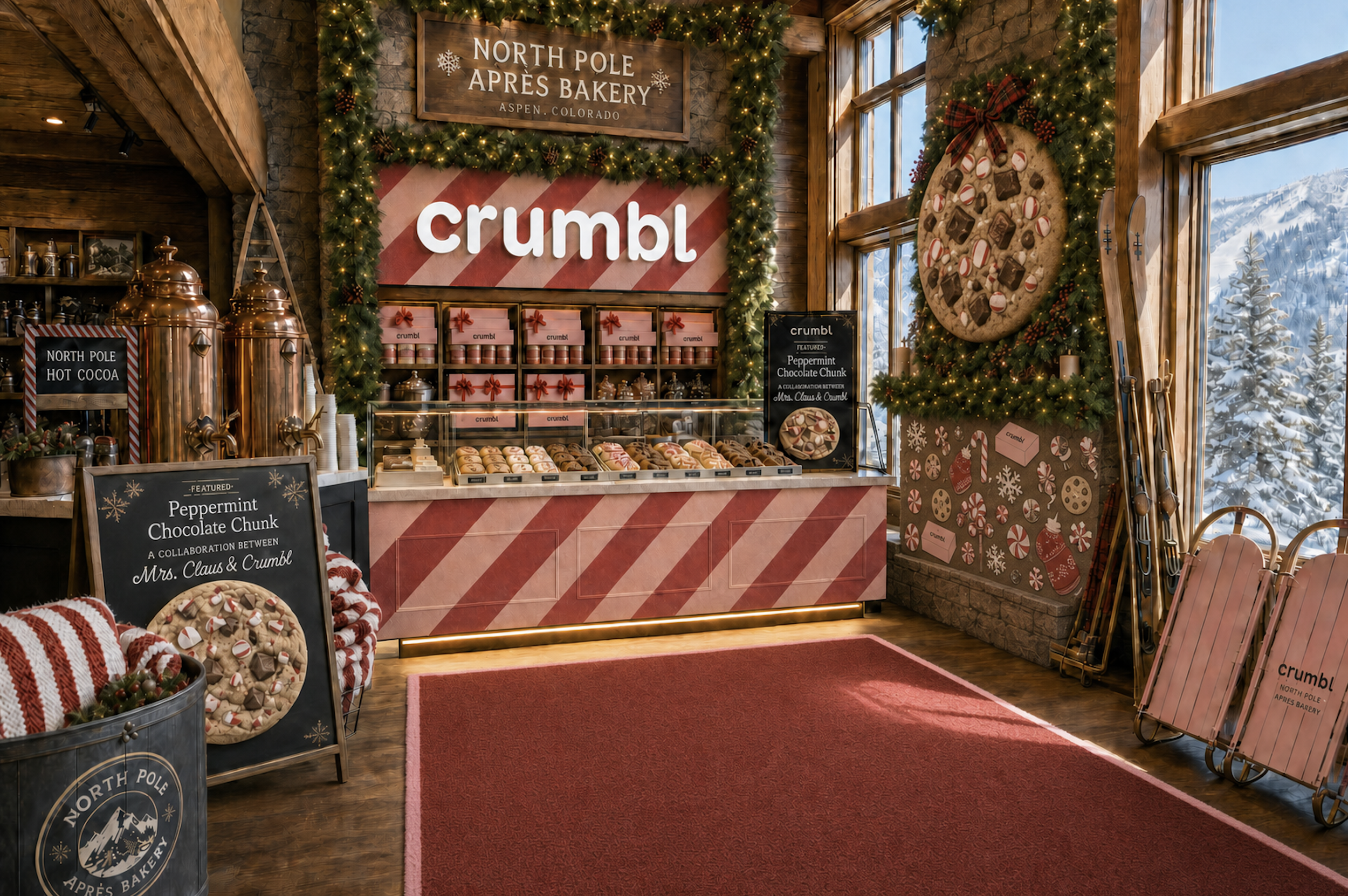
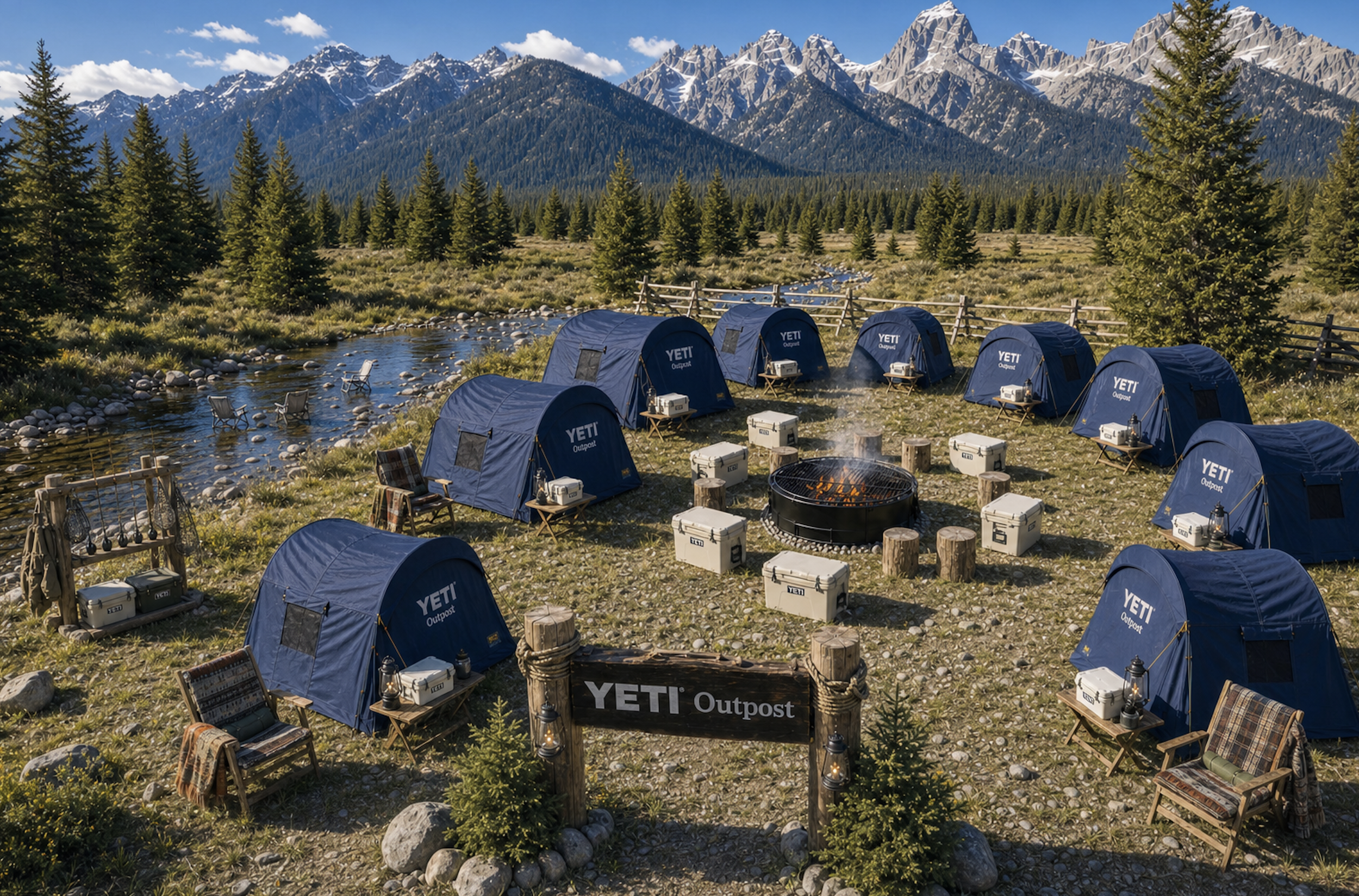
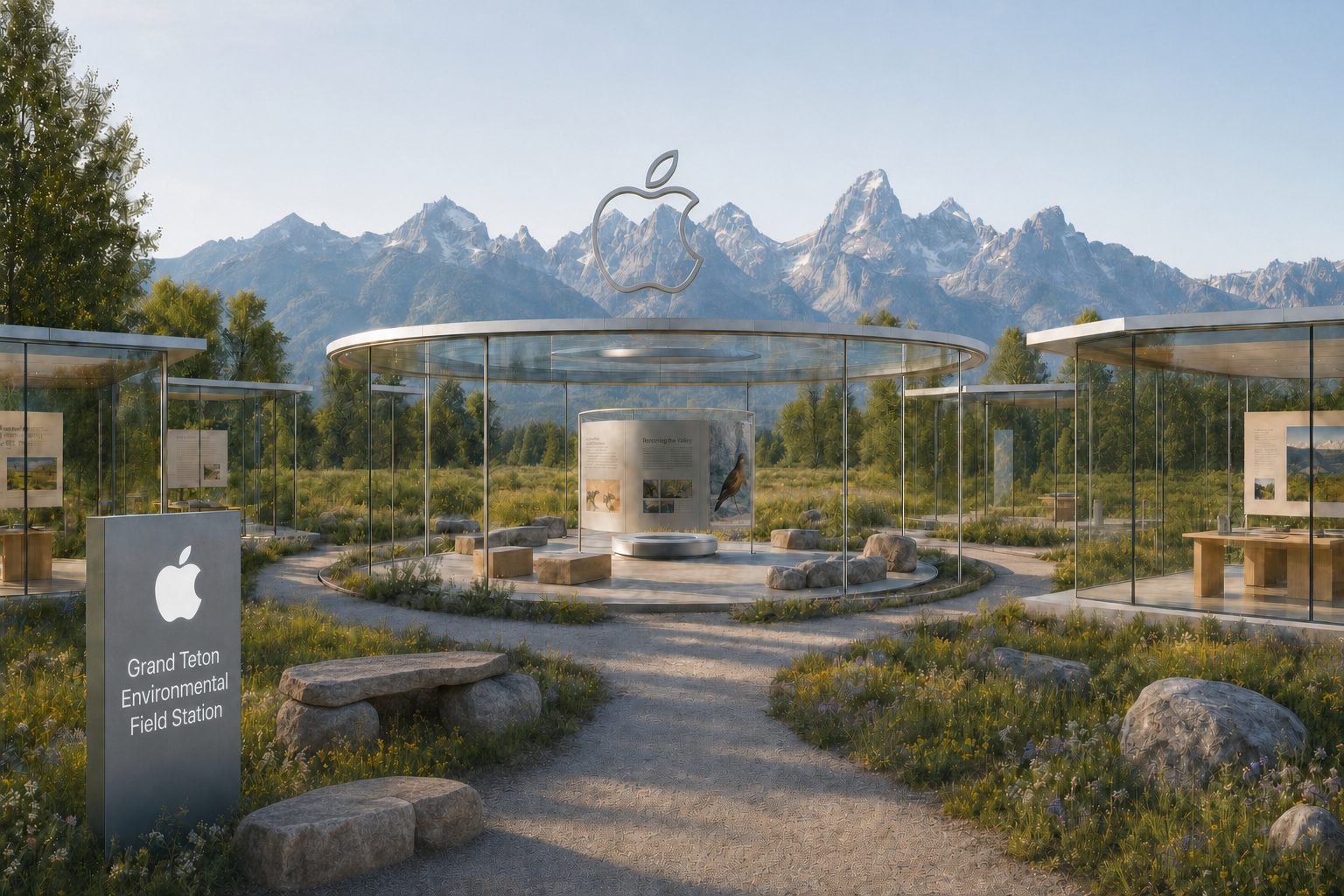
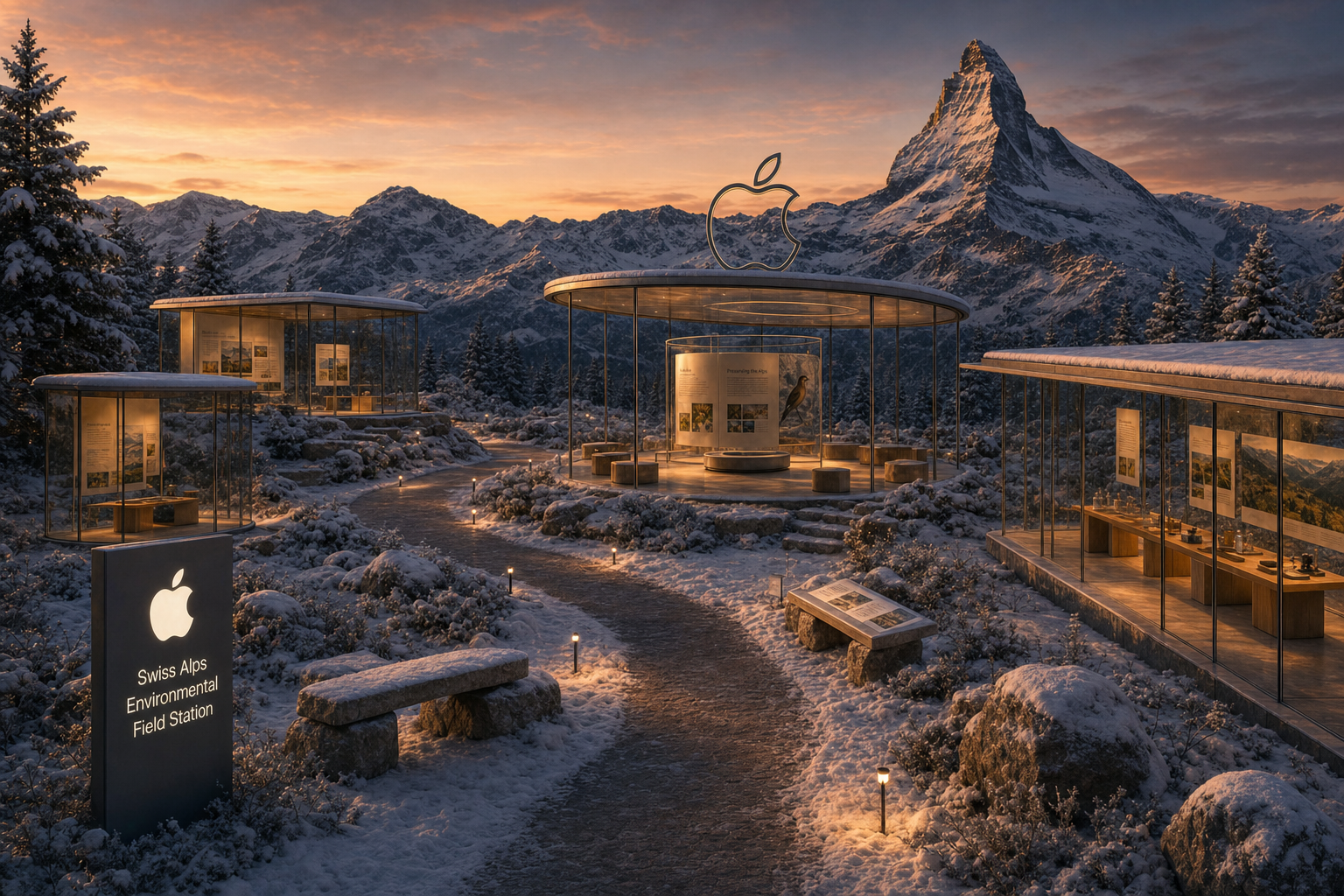
To activate the 2030 environmental initiative by Apple, our CCO ran a prompt through BX/D with a short paragraph of initial direction. In less than an hour and a (12 minute) round of edits, results above.
x


Refine, edit, make it real.
Product capabilities that support and speed your creative process.
-
Before a concept is sketched, a mood board is assembled, or a render is run, the most important creative decision has already been made — whether the direction your team is pursuing is actually the strongest one available. Most agencies and brand teams discover they chose the wrong direction after weeks of development, when a client pushes back or a competitive activation lands in the same space and makes the concept feel redundant.
BX/D's Creative Positioning Suggestions exist to answer that question before development begins. Whether you arrive with a fully developed brief, a half-formed idea, or nothing at all, BX/D analyzes the brand context, the competitive landscape, the audience profile, and the cultural moment to identify the strongest creative strategy and positioning opportunity available. Not a generic starting point. A specific, defensible creative direction grounded in real industry intelligence — with the competitive white space to own it clearly stated.
The result is a team that starts building from the right place rather than discovering the wrong place after the work is done.
-
A Pinterest search returns what exists. A BX/D Instant Moodboard returns what is possible — for your brand, for your audience, for this specific creative direction, drawn from billions of images filtered through five years of real experience industry intelligence.
The moment a creative direction is established, BX/D assembles a visual starting point — imagery, color references, environmental cues, tonal direction, and spatial inspiration — pulled from the broadest visual database available and filtered to reflect the specific aesthetic, cultural, and production context of your activation. Not random imagery that happens to be beautiful. A curated visual world that tells your creative team exactly what this activation should feel like before a single original asset is created.
The Instant Moodboard is not the final creative direction. It is the most informed possible starting point — the difference between a blank page and a room full of the right visual references assembled in seconds rather than hours. Your creative team's job is to make it better. BX/D makes sure the starting point is already good.
-
Every other AI image tool was trained on the internet. Render/D 3.0 was trained on five years of real experience industry data — activation formats, production environments, brand standards at scale, and the specific visual language of the experience economy. The renders it produces are not generated images that happen to look like an event. They are photorealistic visualizations of a fully scaled, fully branded activation environment built to production specification.
NFL x NBC Sunday Night Football — 27 minutes. NASA x Jordan Brand Artemis III Launch Lab — 18 minutes. Louis Vuitton Winter 2027 Showcase, Zermatt — 22 minutes. These are not illustrations. These are presentation-ready renders that agencies and brands are using in client pitches, production briefs, and stakeholder approvals right now.
Three photorealistic concept renders and one video per session. Unlimited revisions included. Brand accuracy applied across every surface. The render package that used to cost $5,000 and take two weeks now takes 30 minutes and is included in every BX/D session. What your team does with that time is the competitive advantage.
Renders are also available as a flat-fee service for your next project or pitch.
-
The strongest experiential activations do not exist in a cultural vacuum. They arrive at a specific moment, in a specific place, for a specific audience that is already paying attention to specific things. The concept that ignores that context lands in noise. The concept that understands it lands in conversation.
BX/D's Cultural Considerations layer maps the cultural landscape your activation is entering — sporting events, music and entertainment moments, social conversations, industry milestones, competitive brand activity, and emerging cultural currents across the specific window your program targets. It surfaces what your audience is already paying attention to and where the most meaningful points of intersection with your concept exist.
The Collaborators dimension extends this further — identifying the artists, creators, cultural figures, organizations, and brands whose existing cultural equity aligns with your activation's positioning and whose involvement would amplify the concept beyond what the brand alone can achieve. Not a generic influencer list. A specific set of creative and cultural partners whose presence in this activation makes it more true, more resonant, and more traveled than it would be without them. The collaboration that turns a good activation into a cultural moment is often the one nobody thought to pursue because nobody had the intelligence to identify it. BX/D does.
-
BX/D's creative intelligence is designed to meet your team wherever the work actually is — not where a workflow assumes it should be. If you arrive with a fully developed concept and need sharper positioning, stronger visual direction, or a photorealistic render that finally makes it real for the room, BX/D picks up from where you are. If you arrive with a rough direction, a single reference image, a client brief you are still trying to interpret, or nothing more than a feeling about what this activation should be — BX/D builds from there.
The Concept Input layer accepts your idea in whatever form it currently exists. A written description. A mood board you have already started. A reference activation you admire. A brand platform document. A napkin sketch described in words. A fully developed creative brief. All of it is valid input. None of it is too formed or too undeveloped for BX/D to work with.
The Editing dimension is where BX/D becomes a creative partner rather than a creative starting point. Once a direction exists — whether BX/D generated it or your team did — the platform allows continuous refinement. Strengthen the positioning. Push the cultural angle further. Adjust the visual tone. Pressure test the concept against the competitive landscape. Explore an alternative direction without abandoning the primary one. Add a collaborator. Remove a production element that does not serve the concept. Every edit is informed by the same five years of industry intelligence that informs the original output.
The result is a creative process that works the way creative people actually work — iteratively, non-linearly, with ideas that arrive half-formed and get sharper through conversation. BX/D is built for that conversation. Bring whatever you have. The platform meets you there.
-
The most beautiful concept that cannot be built on the budget, in the timeline, in the geography, or with the production resources available is not a concept. It is a problem waiting to surface at the worst possible moment — usually mid-production, when the cost of changing direction has already multiplied beyond what anyone anticipated.
BX/D's Production Feasibility layer evaluates every creative direction against the real production conditions it will be built inside. Budget benchmarks from comparable activations at comparable scale confirm whether the proposed scope is achievable within the approved parameters. Location-specific intelligence identifies the vendor landscape, permitting requirements, labor costs, and logistical constraints specific to the market. Timeline analysis maps the production schedule against the critical path requirements of the concept. And structural and technical flags surface the elements of the creative direction that carry the highest production risk — early enough to address them before they become expensive.
The result is a creative team that goes into production with confidence rather than optimism. A concept that has been evaluated for feasibility before it is approved is a concept that gets built the way it was conceived. The gap between the approved concept and the delivered activation is where budgets disappear and client relationships are tested. Production Feasibility is the tool that closes that gap before it opens.